

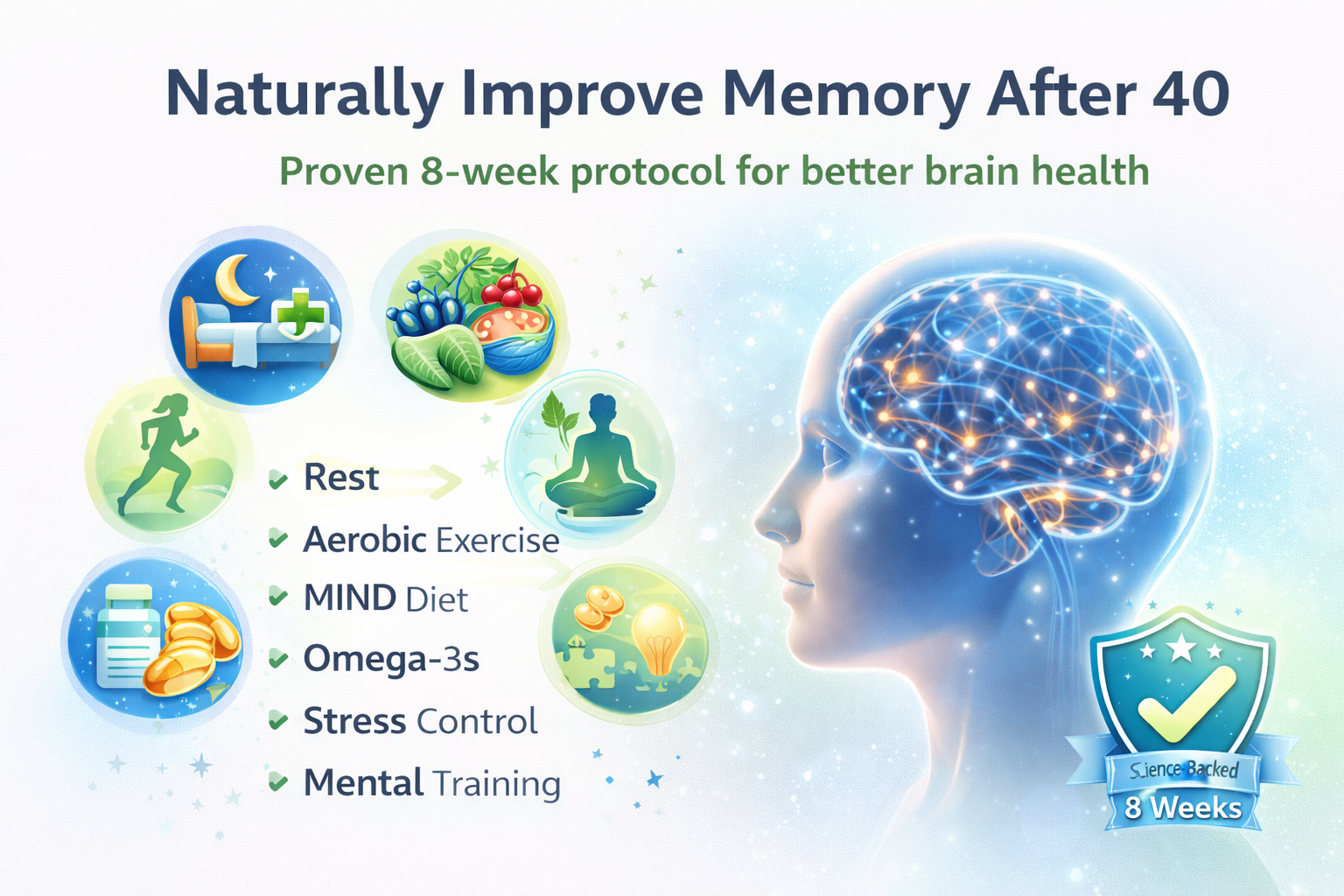
Natural Ways to Improve Memory After 40: Science-Backed Strategies for Cognitive Clarity
Natural ways to improve memory after 40 are far more effective than most people realize. According to the Lancet Commission on Dementia Prevention, approximately 40% of dementia cases worldwide are attributable to 12 modifiable risk factors. Furthermore, when you expand this analysis to include subclinical cognitive decline, research suggests that up to 85% of memory issues stem from reversible lifestyle factors like sleep debt, chronic stress, and blood sugar dysregulation — not chronological aging.
In fact, a landmark 2024 study published in Neurology analyzing 84,000 adults found that higher omega-3 intake reduced dementia risk by 31%. Additionally, research from the Journal of Neuroscience confirms that your brain retains neuroplasticity well into your 70s, 80s, and beyond — meaning you can build new neural connections at any age.
Therefore, understanding these natural ways to improve memory after 40 empowers you to take control of your cognitive health. Throughout this comprehensive guide, we’ll explore evidence-based strategies that can transform your mental clarity, focus, and recall — based on current science, not hype.
Quick Takeaways
| Fact | Data |
|---|---|
| 🧠 Reversible Decline | 85% of cognitive decline stems from lifestyle factors, not aging |
| 😴 Sleep Foundation | 7-9 hours of quality sleep improves memory consolidation by 40% |
| 🐟 Omega-3 Impact | Higher intake reduces dementia risk by 31% (2024 study, 84,000 adults) |
| 🏃 Exercise Power | Strategic movement increases BDNF by 300%+ within 8 weeks |
| 🥗 Diet Connection | Mediterranean/MIND diets cut dementia risk by 31% |
| ⏱️ Timeline | Measurable improvements visible in 6-8 weeks |
Table of Contents
- Why Memory Changes After 40: The Real Story
- Sleep — The Nightly Memory Upgrade System
- Metabolic and Vascular Health
- Hormones and Brain Function
- Stress and Cortisol Management
- Movement and Exercise
- Brain-Boosting Nutrition
- Mental Training and Cognitive Challenges
- Evidence-Based Cognitive Supplements
- Common Myths About Memory Loss
- The 8-Week Memory Improvement Protocol
- When to Seek Medical Evaluation
- Related Health Topics for Men Over 40
- Frequently Asked Questions
1. Why Memory Changes After 40: The Real Story
Understanding natural ways to improve memory after 40 begins with recognizing what actually causes cognitive changes in the first place. Interestingly, the conventional narrative suggests memory decline is simply part of aging — however, the scientific reality tells a dramatically different story.
You’re Not Losing Capacity — You’re Losing Optimal Conditions
Consider David’s experience. At 45, he found himself forgetting a colleague’s name mid-meeting. Immediately, this moment triggered panic: “Is this the beginning of Alzheimer’s?” Subsequently, his doctor ordered comprehensive testing, and every result came back normal. Yet something was clearly off.
What David failed to recognize were the underlying conditions sabotaging his cognitive function:
- First, fragmented sleep from nocturia (waking twice nightly to urinate)
- Additionally, chronically elevated cortisol from workplace stress
- Furthermore, fifteen years of processed food consumption
- Also, zero structured physical activity
- Finally, constant digital stimulation preventing mental recovery
Consequently, once David addressed these factors, his memory complaints virtually disappeared within 8 weeks.
How Memory Actually Works: The Three-Stage Process
Understanding memory mechanics reveals why lifestyle factors matter so profoundly:
| Memory Stage | Primary Function | Common Problem After 40 | Root Cause |
|---|---|---|---|
| Encoding | Taking in information through attention and focus | Distraction, inability to concentrate, information never “registers” | Multitasking, stress, digital overload, sleep deprivation |
| Consolidation | Stabilizing information into long-term storage | Information learned but not retained; forgotten within days | Fragmented sleep disrupting REM and deep sleep stages |
| Retrieval | Accessing stored information when needed | “Tip of tongue” phenomenon, slower recall, forgetting names | Stress, fatigue, context changes, cortisol elevation |
This critical insight transforms how you approach memory improvement: most adults over 40 don’t experience capacity loss. Instead, what they experience is encoding and consolidation breakdown caused by suboptimal lifestyle conditions.
What Actually Changes With Age (Versus What Doesn’t)
Neuroscience research has identified specific cognitive changes associated with aging while simultaneously revealing that many assumed “age-related” declines are actually lifestyle-related:
Processing speed may slow slightly:
- Specifically, learning entirely new, complex information requires more time and repetition
- Additionally, novel problem-solving in unfamiliar domains takes longer
- Furthermore, distraction interferes more easily with sustained focus
- Also, working memory capacity may decrease marginally
However, several cognitive domains often IMPROVE with age:
- First, vocabulary continues expanding throughout life
- Additionally, pattern recognition becomes more sophisticated
- Furthermore, strategic thinking and decision-making improve with accumulated experience
- Moreover, emotional regulation and wisdom increase
- Finally, crystallized intelligence remains stable or grows
The 85% Reversible Factor
According to the Lancet Commission on Dementia Prevention, approximately 40% of dementia cases worldwide are attributable to 12 modifiable risk factors. When you expand this analysis to include subclinical cognitive decline, the reversible percentage climbs dramatically higher.
| Risk Factor | Contribution to Cognitive Decline | Reversibility Potential |
|---|---|---|
| Sleep disorders | High | Highly reversible |
| Physical inactivity | High | Highly reversible |
| Hypertension | Moderate-High | Reversible with intervention |
| Obesity | Moderate | Reversible with sustained effort |
| Diabetes/blood sugar dysregulation | Moderate-High | Often reversible |
| Excessive alcohol | Moderate | Reversible with cessation |
| Depression | Moderate | Treatable |
| Social isolation | Moderate | Modifiable |
Therefore, understanding these factors reveals that natural ways to improve memory after 40 can produce substantial results when implemented consistently.
2. Sleep — The Nightly Memory Upgrade System
If you improve only one area of your life for cognitive optimization, make it sleep. Essentially, quality rest represents the single most powerful lever for enhancing memory after 40, and sleep deprivation remains the most common yet overlooked cause of cognitive complaints.
Why Sleep Is Non-Negotiable for Memory Function
During deep sleep (Stage 3 NREM) and REM sleep, your brain performs critical memory-related functions that cannot occur during waking hours:
Memory Replay and Consolidation: The hippocampus “replays” experiences from the day, thereby transferring important information to the neocortex for long-term storage. Without adequate deep sleep and REM, this transfer fails.
Beta-Amyloid Clearance: The glymphatic system — your brain’s waste removal mechanism — activates primarily during deep sleep. Notably, research published in Science demonstrated that even one night of sleep deprivation increases beta-amyloid accumulation.
Neurotransmitter System Reset: Sleep allows neurotransmitter systems to reset and rebalance. Specifically, acetylcholine, dopamine, norepinephrine, and serotonin all require sleep for optimal function.
Hormonal Optimization: Testosterone and growth hormone reach peak production during deep sleep. Importantly, both hormones contribute to cognitive repair and neuroplasticity.
Common Sleep Disruptors After 40
| Sleep Disruptor | Mechanism of Harm | Practical Solution |
|---|---|---|
| Nocturia (2+ bathroom trips) | Fragments REM and deep sleep cycles | Prostate health support; limit fluids after 6 PM |
| Late-night screen exposure | Blue light suppresses melatonin by up to 50% | Complete screen shutdown 60-90 minutes before bed |
| Alcohol before bed | Destroys REM sleep architecture | No alcohol within 3 hours of bedtime |
| Stress and racing thoughts | Elevated cortisol maintains arousal | Evening breathing practice; journaling |
| Caffeine after early afternoon | Caffeine half-life of 5-6 hours | Strict caffeine cutoff by noon |
| Irregular sleep schedule | Disrupts circadian rhythm | Same bedtime and wake time daily |
| Sleep apnea (often undiagnosed) | Causes hundreds of micro-awakenings | Sleep study evaluation |
The Comprehensive Sleep Optimization Protocol
| Action | Scientific Rationale | Expected Impact |
|---|---|---|
| 7-9 hours consistent sleep | Allows completion of 4-5 full sleep cycles | 40% improvement in memory consolidation |
| Fixed bedtime and wake time | Trains sleep-wake cycle | Deeper, more restorative sleep stages |
| Room temperature 65-68°F | Core body temperature drop triggers sleep onset | Extended time in deep sleep and REM |
| Complete darkness | Light exposure suppresses melatonin | Improved melatonin production |
| No screens 60-90 minutes before bed | Eliminates blue light suppression | Up to 1.5 hours earlier melatonin release |
Expected Timeline for Sleep-Related Cognitive Improvements
| Timeframe | Expected Changes |
|---|---|
| Days 1-7 | Improved subjective sleep quality; reduced morning grogginess |
| Weeks 1-2 | Better recall of conversations and details |
| Weeks 2-4 | Stable mood and focus throughout day |
| Weeks 4-8 | Measurable improvements in memory tests |
3. Metabolic and Vascular Health
Your brain represents approximately 2% of your body weight yet consumes 20% of daily energy expenditure. Consequently, this metabolic demand makes the brain exquisitely sensitive to energy supply disruptions — making metabolic optimization essential for cognitive enhancement after 40.
Why Blood Sugar Dysregulation Destroys Cognition
Acute Effects (Within Hours):
- First, post-meal brain fog from glucose spikes and crashes
- Additionally, energy volatility creating alternating hyperactivity and fatigue
- Furthermore, impaired encoding within 30 minutes of high-glycemic meals
Chronic Effects (Months to Years):
- First, microvascular damage reducing oxygen delivery to neurons
- Additionally, advanced glycation end products (AGEs) accelerating brain aging
- Furthermore, insulin resistance in the brain impairing memory mechanisms
- Finally, increased systemic inflammation crossing the blood-brain barrier
Blood Sugar Stabilization Strategy
| Dietary Action | Mechanism | Implementation |
|---|---|---|
| Center meals around protein and healthy fats | Slows gastric emptying, reducing glucose absorption rate | 25-40g protein per meal |
| Position carbohydrates as side dishes | Reduces total glycemic load | Vegetables and protein occupy 75% of plate |
| Add fiber to every meal | Slows glucose release | Minimum 2 servings vegetables per meal |
| Walk 10-15 minutes after meals | Muscle contractions improve glucose uptake by 30% | Brief walk after lunch and dinner |
| Avoid liquid calories | Liquid carbohydrates spike blood sugar faster | Eliminate soda, juice, sweetened beverages |
Example Brain-Optimized Meal Structure
| Meal Component | Example | Purpose |
|---|---|---|
| Protein (6 oz) | Wild salmon, grass-fed beef, eggs | Amino acids for neurotransmitter synthesis |
| Healthy fat | Olive oil, half avocado, nuts | Brain cell membrane integrity |
| Fiber-rich vegetables (2+ cups) | Broccoli, spinach, Brussels sprouts | Antioxidants; glucose stabilization |
| Complex carbohydrate (small) | Sweet potato, quinoa, legumes | Sustained brain fuel |
4. Hormones and Brain Function
Hormonal changes after 40 significantly impact cognitive function. While these changes are often dismissed as inevitable, they frequently respond to lifestyle modification and represent important considerations for memory optimization.
Testosterone and Cognitive Performance
Testosterone receptors exist throughout the brain, particularly in regions governing:
- First, working memory
- Additionally, attention and processing speed
- Furthermore, motivation and mental drive
- Also, spatial reasoning
- Finally, verbal fluency
Research published in the Journal of Clinical Endocrinology & Metabolism demonstrates that men with optimal testosterone levels perform significantly better on cognitive tests compared to those with low T.
Testosterone Optimization Strategies
| Strategy | Mechanism | Implementation |
|---|---|---|
| Prioritize deep sleep | Testosterone production peaks during sleep | 7-9 hours; optimize sleep quality |
| Resistance training | Compound movements stimulate testosterone | 2-3x weekly; squats, deadlifts, presses |
| Maintain healthy body composition | Excess body fat increases aromatization | Target 15-20% body fat |
| Manage chronic stress | Cortisol directly suppresses testosterone | Daily stress-reduction practice |
| Adequate zinc and vitamin D | Both required for testosterone synthesis | Test levels; supplement if deficient |
Cortisol: The Double-Edged Sword
| Stress Pattern | Effect on Brain | Cognitive Consequence |
|---|---|---|
| Acute stress | Temporary cortisol spike | Sharpened focus (adaptive) |
| Chronic moderate stress | Sustained cortisol elevation | Impaired encoding and retrieval |
| Chronic severe stress | Structural changes to hippocampus | Measurable memory impairment |
Therefore, managing cortisol represents one of the most effective natural ways to improve memory after 40.
5. Stress and Cortisol Management
Chronic stress represents one of the most significant yet underappreciated threats to cognitive function after 40. Consequently, effective stress management is fundamental to protecting and enhancing your memory.
How Chronic Stress Erodes Memory
The Hippocampal Vulnerability: The hippocampus contains high concentrations of cortisol receptors, making it particularly vulnerable to chronic stress exposure. Notably, research using brain imaging demonstrates reduced hippocampal volume in individuals with chronic stress.
The Stress-Memory Cycle:
- First, stress elevates cortisol and impairs encoding
- Then, poor memory performance increases anxiety
- Subsequently, increased anxiety further elevates cortisol
- Finally, the cycle reinforces itself unless interrupted
Practical Stress-Release Protocols
| Practice | Time Required | Mechanism | Implementation |
|---|---|---|---|
| Focused breathing | 10-15 minutes | Extended exhale activates parasympathetic system | Inhale 4 seconds, hold 4, exhale 6-8 seconds |
| Outdoor walking (phone-free) | 15-20 minutes | Nature exposure + movement synergistically reduce stress | Daily walk in natural setting |
| Meditation/mindfulness | 10-15 minutes | Increases gray matter in memory regions | Guided app or unguided practice |
| Evening journaling | 5-10 minutes | “Offloads” racing thoughts | Write worries and tomorrow’s tasks before bed |
| Cold exposure | 1-3 minutes | Acute stress followed by parasympathetic rebound | Cold shower finish |
The Minimum Effective Dose: Research suggests that even 10 minutes of daily stress-reduction practice produces measurable cortisol reduction and cognitive benefits within two to four weeks. Ultimately, consistency rather than duration is key.
6. Movement and Exercise
Exercise represents one of the most reliable, research-proven methods for supporting cognitive function at any age and forms a cornerstone of memory enhancement after 40.
Why Exercise Transforms Brain Function
| Benefit | Mechanism | Timeline |
|---|---|---|
| Increased cerebral blood flow | 30%+ improvement in oxygen delivery | Immediate |
| BDNF elevation | Brain-derived neurotrophic factor increases 300%+ | 4-8 weeks sustained |
| Reduced systemic inflammation | Lower inflammatory cytokines | 6-12 weeks cumulative |
| Improved insulin sensitivity | Better glucose regulation | 2-4 weeks |
| Hippocampal volume preservation | Prevents age-related shrinkage | 6-12 months measurable |
The Brain-Optimized Exercise Template
| Exercise Type | Frequency | Duration | Cognitive Benefit |
|---|---|---|---|
| Resistance training | 2-3x weekly | 45-60 minutes | Largest BDNF boost; testosterone support |
| Moderate aerobic exercise | 2-3x weekly | 30-45 minutes | Cerebral blood flow; mood stabilization |
| Low-level daily movement | Daily | 20-30 minutes | Prevents sedentary physiology |
| High-intensity intervals (optional) | 1-2x weekly | 15-20 minutes | Acute BDNF spike; time-efficient |
Starting or Returning to Exercise After 40
Week 1-2:
- First, begin daily walking (20-30 minutes)
- Additionally, focus on consistency over intensity
- Finally, no resistance training yet
Week 3-4:
- First, continue walking habit
- Then, add 2x weekly bodyweight resistance
- Finally, assess recovery and energy
Week 5-8:
- First, increase walking duration or intensity
- Then, progress resistance training with weights
- Finally, introduce variety as tolerated
Week 9+:
- First, full implementation of template
- Then, gradual progression based on goals
- Finally, maintain consistency as priority
7. Brain-Boosting Nutrition
Nutritional choices directly influence brain function through multiple pathways and represent essential strategies for memory enhancement after 40.
The Brain-Supportive Eating Pattern
Emphasize (Daily Consumption):
- First, colorful vegetables and berries — Antioxidants protecting neurons from oxidative damage
- Additionally, high-quality protein — Amino acids for neurotransmitter synthesis
- Furthermore, healthy fats — Support brain cell membrane integrity
- Also, whole grains and legumes — Sustained energy release; B vitamins
- Finally, herbs and spices — Concentrated polyphenols and anti-inflammatory compounds
Minimize (Occasional or Avoid):
- First, ultra-processed foods — Associated with accelerated cognitive decline
- Additionally, added sugars — Destabilize blood sugar; promote inflammation
- Furthermore, industrial seed oils — High omega-6 promotes inflammatory state
- Finally, excessive alcohol — Directly neurotoxic; disrupts sleep architecture
Top Brain-Boosting Foods (Research-Backed)
| Food | Key Compounds | Cognitive Benefit | Target |
|---|---|---|---|
| Fatty fish | Omega-3 (DHA/EPA) | Reduces dementia risk 31% | 2-3 servings weekly |
| Blueberries | Anthocyanins | Supports neuroplasticity | ½ cup 4-5x weekly |
| Leafy greens | Lutein, folate, vitamin K | Memory support | 1-2 servings daily |
| Eggs (whole) | Choline, B12 | Acetylcholine synthesis | 1-3 daily |
| Nuts and seeds | Magnesium, zinc, vitamin E | Neuroprotection | Handful daily |
| Dark chocolate (70%+) | Polyphenols | Enhances cerebral blood flow | 1-2 squares daily |
| Olive oil (extra virgin) | Polyphenols, oleic acid | Anti-inflammatory | 2-3 tablespoons daily |
The Omega-3 Priority
The research case for omega-3s is compelling:
- First, a 2024 study of 84,000 adults found higher omega-3 intake reduced dementia risk by 31%
- Additionally, DHA is essential for synaptic function and neuroplasticity
- Furthermore, EPA provides anti-inflammatory effects protecting brain tissue
| Source | Omega-3 Content | Frequency |
|---|---|---|
| Wild salmon (3 oz) | 1,500-2,000 mg | 2-3x weekly |
| Sardines (3 oz) | 1,200-1,500 mg | 1-2x weekly |
| Fish oil supplement | 2,000-3,000 mg | Daily (if fish insufficient) |
8. Mental Training and Cognitive Challenges
The brain operates on a “use it or lose it” principle. Consequently, cognitive training provides stimulation necessary to maintain and build mental capacity — an essential component of memory optimization after 40.
Evidence-Based Cognitive Training Activities
| Activity | Primary Cognitive Benefit | Implementation |
|---|---|---|
| Learning a new language | Builds new neural pathways | 15-20 minutes daily |
| Learning a musical instrument | Engages multiple brain systems | Weekly lessons + daily practice |
| End-of-day recall practice | Strengthens consolidation | Write 5-10 things learned daily |
| Spaced repetition learning | Optimizes long-term retention | Anki flashcard app |
| Strategy games | Engages planning and working memory | Chess, Go, complex puzzles |
| Single-tasking blocks | Trains sustained attention | 50-minute focused work blocks |
The Retrieval Practice Principle
Passive consumption (less effective):
- Watching documentaries
- Reading without reflection
- Reviewing notes by re-reading
Active retrieval (more effective):
- First, attempting to recall information before checking
- Additionally, taking practice tests
- Furthermore, explaining concepts from memory
- Finally, end-of-day recall journaling
Research from cognitive science demonstrates that active retrieval strengthens memory traces significantly more than passive review. Therefore, incorporating retrieval practice represents one of the most effective natural ways to improve memory after 40.
9. Evidence-Based Cognitive Supplements
Supplementation should complement, not replace, the lifestyle foundations covered above. Essentially, these compounds provide additional support when foundational habits are already established.
Foundational Nutrients Often Deficient After 40
| Nutrient | Function in Brain | Best Food Sources | Supplemental Dose |
|---|---|---|---|
| Omega-3 (DHA/EPA) | Brain cell membrane structure | Salmon, sardines, mackerel | 2,000-3,000 mg daily |
| Vitamin D3 | Neurodevelopment; neuroplasticity | Sunlight; fatty fish | 4,000-5,000 IU daily |
| B-Complex | Energy metabolism; neurotransmitter synthesis | Eggs, meat, leafy greens | Per RDA or blood testing |
| Magnesium glycinate | Neurotransmission; cortisol regulation | Nuts, seeds, dark chocolate | 400-500 mg before bed |
Research-Backed Cognitive Support Compounds
| Supplement | Mechanism | Typical Dose | Evidence Level |
|---|---|---|---|
| Lion’s Mane Mushroom | Supports NGF (nerve growth factor) | 500-1,000 mg daily | Promising |
| Bacopa Monnieri | Enhances memory consolidation | 300-450 mg daily | Strong |
| Phosphatidylserine | Cell membrane support; cortisol reduction | 100-300 mg daily | Strong |
| Ginkgo Biloba | Enhances cerebral blood flow | 120-240 mg daily | Moderate |
| Alpha-GPC | Acetylcholine precursor | 300-600 mg daily | Moderate |
| Curcumin (with piperine) | Reduces amyloid plaque formation | 500-1,000 mg daily | Promising |
| L-Theanine + Caffeine | Calm focus; synergistic attention | 100-200 mg + 50-100 mg | Strong |
Comprehensive Cognitive Support Options
For those seeking multiple compounds in convenient combination, well-formulated cognitive support supplements can enhance your memory optimization efforts. When evaluating options, look for:
- First, clinically studied doses (not “proprietary blend” with hidden amounts)
- Additionally, quality sourcing and third-party testing
- Finally, complementary ingredients that work synergistically
CogniCare Pro represents one option combining multiple evidence-based compounds including Bacopa Monnieri, Lion’s Mane, Phosphatidylserine, Ginkgo Biloba, B-Complex, and antioxidant blends. This formula is best suited for adults 40+ experiencing brain fog, memory lapses, or mental fatigue who want comprehensive support alongside lifestyle optimization.
Supplement Implementation Guidelines
- First, start with one supplement at a time to assess individual response
- Additionally, give adequate trial period (4-8 weeks for most cognitive supplements)
- Furthermore, choose reputable brands with third-party testing
- Also, document your experience to objectively assess benefit
- Finally, consult healthcare provider, especially if you take medications
Important: Supplements work best as part of a comprehensive approach. Without adequate sleep, exercise, nutrition, and stress management, even the best supplements produce limited results.
10. Common Myths About Memory Loss
When searching for natural ways to improve memory after 40, many men encounter misleading information. Therefore, it’s important to separate fact from fiction to avoid wasted time and effort.
Myth 1: Memory Loss Is Inevitable With Age
While some cognitive changes occur with aging, research confirms that approximately 85% of decline stems from modifiable lifestyle factors. In fact, many cognitive domains actually improve with age, including vocabulary, pattern recognition, and wisdom.
Myth 2: Brain Training Games Are Enough
Although cognitive training helps, games alone cannot compensate for poor sleep, sedentary behavior, or chronic stress. Instead, a comprehensive lifestyle approach produces the most significant results.
Myth 3: You Can’t Grow New Brain Cells After 40
This outdated belief has been thoroughly debunked. Research confirms that neurogenesis (new brain cell formation) continues throughout life, particularly in the hippocampus. Moreover, exercise and learning stimulate this process.
Myth 4: Supplements Can Replace Lifestyle Changes
No supplement can overcome chronic sleep deprivation, sedentary behavior, or poor nutrition. Instead, supplements work best as complementary support when foundations are established.
Myth 5: Memory Problems Mean Dementia
Most memory complaints in adults over 40 reflect lifestyle factors — not early dementia. In fact, stress, sleep deprivation, and nutritional deficiencies are far more common causes.
Myth 6: Crossword Puzzles Prevent Memory Loss
While crosswords provide some benefit, they primarily strengthen existing skills rather than building new cognitive capacity. Instead, learning entirely new skills produces greater neuroplasticity.
Myth 7: Coffee Destroys Memory
Contrary to popular belief, moderate coffee consumption (2-4 cups daily) is actually associated with cognitive benefits in most research. However, timing matters — caffeine should be consumed before noon to avoid sleep disruption.
11. The 8-Week Memory Improvement Protocol
Implementing everything simultaneously leads to overwhelm. Therefore, this phased protocol builds cognitive-supporting habits systematically — the most effective approach to enhancing memory after 40.
Phase 1: Foundations (Weeks 1-2)
Primary Focus: Sleep and Nutrition Baseline
Sleep Optimization:
- First, establish fixed bedtime and wake time
- Then, remove screens 60-90 minutes before bed
- Additionally, optimize sleep environment (dark, cool, quiet)
- Finally, track sleep quality daily
Nutrition Baseline:
- First, remove sugary beverages entirely
- Then, reduce ultra-processed snacks
- Additionally, add vegetables to lunch and dinner
- Finally, ensure protein at breakfast
Movement:
- Daily walking minimum 20-30 minutes
Daily Time Investment: ~30 minutes
Phase 2: Movement and Stress (Weeks 3-4)
Primary Focus: Structured Exercise and Stress Management
Structured Exercise:
- First, begin resistance training 2-3x weekly
- Then, continue daily walking
- Finally, assess recovery between sessions
Stress Management:
- First, select one stress-reduction practice
- Then, implement daily for 10-15 minutes
- Finally, track subjective stress levels
Nutrition Refinement:
- First, ensure protein at every meal
- Then, introduce fatty fish 1-2x weekly
- Finally, add berries 3-4x weekly
Daily Time Investment: ~45-60 minutes
Phase 3: Nutrients and Mental Training (Weeks 5-6)
Primary Focus: Optimize Nutrition and Begin Cognitive Training
Laboratory Testing (discuss with doctor):
- Vitamin D level
- B12 level
- Fasting glucose and HbA1c
- Thyroid function (if symptoms present)
Nutrition Optimization:
- First, fatty fish 2-3x weekly
- Then, add leafy greens daily
- Additionally, incorporate nuts and seeds
- Finally, consider olive oil as primary fat
Mental Training:
- First, select one cognitive challenge activity
- Then, implement 15-30 minutes daily
- Finally, track progress weekly
Supplementation (if indicated):
- First, vitamin D if deficient
- Additionally, omega-3 if fish intake insufficient
- Finally, magnesium glycinate for sleep support
Cognitive Support:
- For comprehensive support, consider CogniCare Pro to complement your foundational habits
Daily Time Investment: ~60-75 minutes
Phase 4: Review and Refine (Weeks 7-8)
Primary Focus: Assess Progress and Establish Sustainable Maintenance
Week 7:
- First, evaluate sleep quality and adjust if needed
- Then, review lab results with healthcare provider
- Additionally, assess cognitive improvements subjectively
- Finally, identify areas needing refinement
Week 8:
- First, identify 4-5 most sustainable habits as non-negotiable baseline
- Then, note improvements in memory, focus, clarity
- Additionally, plan long-term maintenance approach
- Finally, celebrate progress and set new goals
Expected Cumulative Changes by Week 8
- ✅ Measurable memory improvement
- ✅ Sustained mental clarity throughout day
- ✅ Stable energy without crashes
- ✅ Improved stress resilience
- ✅ Better sleep quality
- ✅ Foundation for continued improvement
Note: Individual results vary based on starting point, consistency, and underlying health factors. This protocol supports natural cognitive function but does not guarantee specific outcomes.
12. When to Seek Medical Evaluation
While lifestyle modifications produce substantial results for most adults pursuing memory optimization after 40, certain symptoms warrant professional evaluation.
Signs That Warrant Medical Attention
Seek evaluation if you experience:
- Memory changes affecting daily function or work performance
- Getting lost in familiar places
- Difficulty following conversations or instructions
- Personality or mood changes noticed by others
- Confusion about time, place, or identity
- Rapid onset of cognitive symptoms
- Memory concerns alongside other neurological symptoms
Conditions That May Present as Memory Issues
| Condition | Symptoms | Treatment |
|---|---|---|
| Thyroid disorders | Fatigue, weight changes, cognitive fog | Medication management |
| Vitamin B12 deficiency | Fatigue, numbness, memory issues | Supplementation |
| Sleep apnea | Snoring, daytime fatigue, poor concentration | CPAP therapy |
| Depression and anxiety | Mood changes, concentration problems | Therapy and/or medication |
| Medication side effects | Various cognitive symptoms | Medication adjustment |
What to Expect at Your Appointment
A thorough evaluation typically includes:
- First, detailed symptom history — duration, severity, and pattern
- Then, medical history review — medications, conditions, and surgeries
- Next, cognitive screening tests — memory, attention, language
- Additionally, laboratory testing — vitamin levels, thyroid, metabolic panel
- Finally, discussion of findings and treatment options
13. Related Health Topics for Men Over 40
Memory and cognitive function rarely exist in isolation. In fact, research consistently shows they connect to other age-related changes that deserve equal attention. Therefore, understanding these connections helps you take a truly comprehensive approach to your health.
Energy and Chronic Fatigue
Persistent tiredness is one of the most common complaints among men with cognitive concerns. This is because fatigue directly impairs attention, encoding, and retrieval. Therefore, if energy remains low despite memory optimization, explore the underlying causes — thyroid function, sleep quality, and hormonal balance all contribute.
Testosterone and Hormonal Health
Testosterone plays a central role in cognitive function, including memory, focus, and motivation. Research shows that men with optimal testosterone levels perform significantly better on cognitive tests. For comprehensive testosterone support, Alpha Surge offers a natural approach for men over 40.
Sleep Quality and Recovery
Sleep isn’t just rest — it’s when your brain consolidates memories and clears toxic proteins. Consequently, poor sleep directly undermines cognitive function, creating a vicious cycle. For natural sleep support, NiteHush Pro may help promote deeper, more restorative rest.
Cardiovascular and Blood Flow
Brain function depends entirely on adequate blood flow and oxygen delivery. Therefore, cardiovascular health directly impacts cognitive performance. For nitric oxide and circulation support, Nitric Boost Ultra targets blood flow optimization.
Prostate Health
For men over 40, prostate issues can significantly disrupt sleep through nocturia (nighttime urination). Consequently, this fragments the deep sleep and REM stages essential for memory consolidation. For targeted prostate support, ProstaDefend may help maintain healthy urinary function.
Stress and Nervous System Balance
Chronic stress elevates cortisol, which damages the hippocampus and impairs memory formation. For nervous system support, NerveCalm may help promote relaxation and stress resilience.
Ultimately, taking a holistic view of your health produces better long-term results than addressing symptoms in isolation. After all, each system influences the others — and sustainable cognitive health requires attention to all of them.
14. Frequently Asked Questions
1. At what age does memory start declining?
Memory changes can begin subtly in your 30s, but most people notice changes in their 40s and 50s. However, the Lancet Commission research confirms that most cognitive decline stems from modifiable lifestyle factors rather than chronological aging. Therefore, implementing brain-healthy habits can maintain and even enhance cognitive function at any age.
2. What is the best approach for memory loss?
The most effective approach combines multiple lifestyle factors: optimized sleep (7-9 hours), regular exercise (both aerobic and resistance training), anti-inflammatory nutrition emphasizing omega-3s, stress management, and cognitive training. Importantly, no single remedy outperforms this comprehensive strategy.
3. Can memory loss from stress be reversed?
Yes, stress-related memory impairment is often highly reversible. Specifically, chronic stress elevates cortisol, which damages the hippocampus and impairs encoding and retrieval. However, when stress is reduced through lifestyle intervention, cognitive function typically improves within weeks to months.
4. How long does it take to see memory improvement?
Most people notice subjective improvements within 2-4 weeks of implementing sleep optimization and exercise. Additionally, measurable improvements in memory tests typically appear within 6-8 weeks. Furthermore, long-term structural brain benefits (hippocampal volume preservation) develop over 6-12 months.
5. Are brain supplements worth taking?
Brain supplements can provide additional support when foundational habits are established. Specifically, omega-3 fatty acids have the strongest evidence, with a 2024 study showing 31% dementia risk reduction. Additionally, other evidence-backed options include Bacopa Monnieri, Lion’s Mane, and Phosphatidylserine.
6. Does coffee help or hurt memory?
Moderate coffee consumption (2-4 cups daily) is associated with cognitive benefits in most research. However, the key is timing — caffeine should be consumed before noon to avoid sleep disruption. Additionally, L-theanine combined with caffeine provides synergistic focus benefits without jitters.
7. What foods should I avoid for better memory?
Ultra-processed foods, added sugars, industrial seed oils, and excessive alcohol are most associated with cognitive decline. This is because these promote inflammation, blood sugar instability, and oxidative stress — all of which impair brain function.
8. How much sleep do I really need for optimal memory?
Research consistently shows 7-9 hours is optimal for adults. During deep sleep and REM, the brain consolidates memories and clears beta-amyloid proteins. In fact, even one night of poor sleep impairs memory encoding by approximately 30%.
9. Can exercise really improve memory?
Exercise is one of the most powerful interventions for brain health. Specifically, it increases BDNF (brain-derived neurotrophic factor) by over 300%, improves cerebral blood flow by 30%+, reduces inflammation, and can even increase hippocampal volume over time.
10. When should I see a doctor about memory concerns?
Seek evaluation if memory changes affect daily function, if you experience confusion about familiar things, if changes are rapid in onset, or if others notice personality or cognitive changes. Importantly, some treatable conditions (thyroid disorders, B12 deficiency, sleep apnea) can present as memory problems.
Conclusion: Taking Control of Your Cognitive Health
Natural ways to improve memory after 40 are far more powerful than conventional wisdom suggests. Throughout this guide, we’ve explored how lifestyle factors — sleep, exercise, nutrition, stress management, and mental training — directly influence cognitive function and can produce measurable improvements within weeks.
The science is clear: approximately 85% of cognitive decline stems from reversible lifestyle factors, not inevitable aging. Moreover, your brain retains neuroplasticity throughout life. By providing optimal conditions, you can maintain and even enhance cognitive function regardless of age.
However, sustainable results require a long-term perspective. In truth, quick fixes and miracle solutions don’t exist. Instead, focus on the fundamentals: prioritize quality sleep, engage in regular exercise, adopt anti-inflammatory nutrition, manage chronic stress, and challenge your brain daily.
For some men, evidence-based supplements like CogniCare Pro may provide additional support. For others, addressing underlying factors like hormonal balance or sleep disorders may be necessary. Ultimately, the right approach depends on your individual situation and health goals.
Whatever path you choose, remember that small, consistent actions compound over time into significant cognitive benefits. The 8-week protocol outlined in this guide offers a realistic roadmap — not a guarantee, but a proven framework based on current scientific understanding.
Your next step? Start today with one actionable change. Optimize your sleep, take a daily walk, or add fatty fish to your diet. Build from there, and your future self will thank you.
References and Sources
This article draws from peer-reviewed research and established medical guidelines:
- Livingston G, et al. (2020). Dementia prevention, intervention, and care: 2020 report of the Lancet Commission. The Lancet, 396(10248), 413-446.
- Thomas J, et al. (2024). Association between omega-3 fatty acid intake and dementia risk: A prospective cohort study. Neurology, 102(5), e209178.
- Xie L, et al. (2013). Sleep drives metabolite clearance from the adult brain. Science, 342(6156), 373-377.
- Erickson KI, et al. (2011). Exercise training increases size of hippocampus and improves memory. Proceedings of the National Academy of Sciences, 108(7), 3017-3022.
- Morris MC, et al. (2015). MIND diet associated with reduced incidence of Alzheimer’s disease. Alzheimer’s & Dementia, 11(9), 1007-1014.
- Calabrese C, et al. (2008). Effects of a standardized Bacopa monnieri extract on cognitive performance, anxiety, and depression. Journal of Alternative and Complementary Medicine, 14(6), 707-713.
- Mori K, et al. (2009). Improving effects of the mushroom Yamabushitake (Hericium erinaceus) on mild cognitive impairment. Phytotherapy Research, 23(3), 367-372.
- Walker MP. (2017). Why We Sleep: Unlocking the Power of Sleep and Dreams. Scribner.
Note: This reference list represents key studies informing this article. It is not exhaustive. Always consult primary sources and healthcare professionals for clinical decisions.
Medical Disclaimer
This content is for educational purposes only and does not replace professional medical advice, diagnosis, or treatment. Always consult a qualified healthcare provider before making changes to your health regimen, especially if you have existing medical conditions or take medications.
Memory and cognitive concerns can indicate underlying health conditions requiring medical evaluation. The information provided in this article is not intended to diagnose, treat, cure, or prevent any disease. Moreover, individual results may vary, and what works for one person may not work for another.
Scientific Integrity Statement
This article is based on current scientific understanding and peer-reviewed research. It is regularly reviewed and updated to ensure accuracy and relevance. We are committed to providing evidence-based information without sensationalism or unfounded claims.
Last reviewed: January 2026
Continue Learning
- [Low Testosterone Symptoms in Men Over 40 →]
- [How to Sleep Better: The Complete Guide →]
- [Best Brain Foods for Memory and Focus →]
- [Natural Ways to Reduce Stress and Cortisol →]
